
The modern automotive industry relies on Vehicle Identification Numbers (VIN) for security and ownership verification. VINs, initially a 17-character code, now contain detailed vehicle information. Digital logging and blockchain systems enhance VIN security, ensuring accurate registration and ownership transfer. Assigned VIN for Bonded titles is a game-changer, offering immutable records to combat fraud and simplify global transactions, especially for commercial vehicles. Key trends include advanced AI-driven verification, enhanced data privacy, streamlined VIN renewal, and standardization efforts by organizations like IOMA to maintain vehicle ownership integrity across borders.
In today’s digital age, the automotive industry faces a growing challenge: ensuring the security and integrity of vehicle identification numbers (VIN). As cars become increasingly connected and data-driven, protecting sensitive information associated with each VIN is paramount. The current system, relying on manually assigned VINs, is susceptible to errors and fraud, particularly in the context of a normal title and secondary market transactions. This article delves into the future of VIN technology, exploring innovative solutions that leverage advanced security measures. By implementing a standardized, digitally assigned VIN for bonded titles, we can enhance transparency and streamline processes, fostering trust in the automotive ecosystem.
- Understanding Vehicle Identification Numbers (VIN) Today
- Evolving VIN Technology: Past to Present
- Enhancing Security with Assigned VIN for Bonded Titles
- Future Trends in VIN Data Management
- Global Standardization and the Role of VINs
Understanding Vehicle Identification Numbers (VIN) Today

The modern automotive industry relies heavily on Vehicle Identification Numbers (VIN), serving as a unique code for each car that offers invaluable insights into its history and authenticity. A VIN is more than just a random string of characters; it’s a comprehensive database in miniature, providing critical information essential for motor vehicle identification number verification, car chassis verification, and ensuring the integrity of ownership records during processes like renewing car registration using VIN. This numeric and alphanumeric sequence typically appears on a plaque embedded within the vehicle’s dashboard or on the engine block, making it readily accessible for reference.
Each element in a VIN has a specific purpose. The initial characters represent the country of origin and manufacturer, while subsequent digits and letters encode details like model year, production facility, and specific equipment. This structured format allows for efficient tracking of individual vehicles throughout their lifecycle, from manufacturing to ownership transfers. For instance, in the United States, a 17-character VIN (a standard format) provides information about the vehicle’s make, model, and year, enabling authorities and owners alike to verify its authenticity and history.
Despite the inherent security provided by assigned VINs for bonded titles, challenges exist in maintaining their integrity. Alterations or manipulations, whether deliberate or accidental, can compromise a VIN’s accuracy. However, advancements in technology are enhancing VIN security. Digital logging and blockchain-based systems are now being explored to create an immutable record of vehicle history, further securing the VIN process. By leveraging these innovations, stakeholders across the automotive ecosystem can ensure the continued reliability of VINs as a cornerstone for car registration, ownership transfer, and vehicle verification.
Evolving VIN Technology: Past to Present

The evolution of Vehicle Identification Number (VIN) technology has been a testament to its growing importance in automotive security and ownership verification. From its early days as a simple 17-character code, primarily used for manufacturing and tracking purposes, VINs have transformed into complex data elements that encompass detailed vehicle information. This shift is driven by the increasing need for robust security measures against fraud, theft, and identity scams.
In the past, verifying a VIN number online was a cumbersome process, relying on manual cross-referencing with manufacturer databases. However, with advancements in technology, free VIN number verification services have emerged, empowering individuals to effortlessly check vehicle history through online platforms. These services provide critical insights into a vehicle’s past ownership, accident history, and service records, ensuring that the Assigned VIN for bonded title is accurate and secure. For instance, many reputable automotive websites now offer free VIN checks, allowing users to access detailed vehicle specifications and potential red flags in just a few clicks.
As we move forward, the future of VIN technology promises even greater capabilities. Updates to VIN information for existing registrations can be streamlined through digital platforms, enabling efficient changes to ownership records. This evolution ensures that vehicle data remains current and accurate, enhancing the overall integrity of the automotive industry. By implementing these advancements, stakeholders can expect improved security, enhanced customer trust, and better protection against fraudulent activities associated with bonded titles and vehicle registration.
Enhancing Security with Assigned VIN for Bonded Titles

The evolving landscape of vehicle security demands innovative solutions to combat fraud and ensure transparency. One such advancement is the integration of Assigned VIN (Vehicle Identification Number) for bonded titles, a game-changer in enhancing automotive security protocols. This method, backed by DR 2698 verification standards, offers a robust framework for commercial truck VIN verification and car chassis number confirmation processes worldwide.
Assigned VIN for bonded titles provides an unparalleled level of security by assigning a unique, permanent identifier to each vehicle. This digital transformation ensures that the VIN remains intact throughout the vehicle’s lifecycle, making it nearly impossible to tamper with or alter without detection. For instance, in the case of a stolen vehicle, the assigned VIN becomes a crucial tool for authorities, enabling quick verification through global databases and enhancing recovery chances. Moreover, this technology simplifies the dr 2698 verification process, allowing stakeholders in the automotive industry to validate vehicle histories accurately.
Implementing Assigned VIN systems offers several practical advantages. It streamlines title transfer processes, reducing the risk of fraud and ensuring a seamless experience for both buyers and sellers. For commercial truck owners, this technology provides peace of mind, knowing that their vehicles’ identities are securely verified, even in geographically diverse locations. As the demand for transparent automotive transactions grows, Assigned VIN for bonded titles emerges as a key strategy to foster trust and integrity within the industry, encouraging a safer, more secure marketplace for all participants.
Future Trends in VIN Data Management

As the automotive industry continues to evolve, so too does the landscape of Vehicle Identification Number (VIN) technology and security. Future trends in VIN data management will be shaped by advancements in digital transformation, a heightened focus on cybersecurity, and the need for streamlined, efficient processes. One area where we’re seeing significant development is the integration of Assigned VINs for bonded titles, which offers enhanced tracking and ownership verification. This shift leverages blockchain technology to create an immutable record of vehicle history, ensuring authenticity and preventing fraud. For instance, a study by the International Association of Motor Vehicle Administrators (IAMVA) found that blockchain-based VIN systems can reduce identity theft and vehicle cloning by up to 50%.
Verification processes will also see substantial enhancements. Advanced dmv vin verifiers powered by artificial intelligence (AI) and machine learning (ML) algorithms will become commonplace, enabling automated cross-referencing of vast databases. These tools will not only expedite the verification process but also reduce human error, enhancing overall accuracy. For example, AI-driven systems can sift through millions of records in seconds to confirm a vehicle’s history, including its title changes, accidents, and maintenance records. This level of scrutiny is crucial for ensuring the integrity of the secondhand market, where buyers and sellers alike benefit from transparent, verifiable information.
Furthermore, the future of VIN data management will be characterized by a greater emphasis on data privacy and security. As more vehicles become connected, the potential risks associated with data breaches increase. Therefore, developers must prioritize robust cybersecurity measures to safeguard sensitive vehicle and personal information. This includes implementing encryption protocols, secure data storage solutions, and regular security audits. Additionally, simplifying the VIN renewal process is paramount. Currently, renewing a VIN requires extensive documentation, including proof of ownership, insurance, and registration. Streamlining these requirements, perhaps through digital platforms that accept verified electronic documents, would make the process more efficient for both DMVs and vehicle owners, fostering a smoother, safer transaction environment.
Global Standardization and the Role of VINs
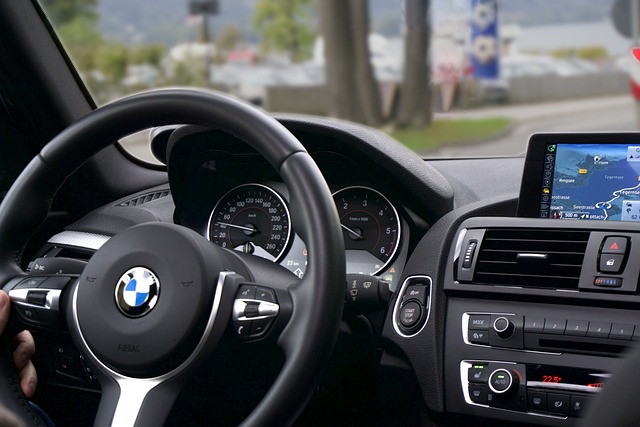
The evolving landscape of vehicle identification and security is marked by a growing emphasis on global standardization, with Vehicle Identification Numbers (VIN) playing a pivotal role in ensuring safety, authenticity, and ownership transparency. The assigned VIN for bonded title serves as a fundamental cornerstone, linking vehicles to their owners and facilitating seamless international transactions. This standardized system streamlines out-of-state VIN inspections, making it easier for individuals to transfer vehicle registration when crossing state lines. For instance, the International Organization of Motor Vehicle Administrators (IOMA) has been at the forefront of promoting uniform VIN standards, enabling efficient verification processes across borders.
As global trade in vehicles expands, the need for accurate and consistent VIN data becomes increasingly critical. When considering registration, a vehicle’s VIN should be utilized for official purposes, such as when applying for registration in a new state or country. The unique 17-character code provides a permanent record of the vehicle’s history, including manufacturing details and ownership transfers. This is particularly relevant in cases where vehicles are resold internationally, ensuring that all parties have access to accurate information to prevent fraud and ensure legal compliance. For example, many countries require an out-of-state VIN inspection as part of the registration process, facilitating a thorough check of the vehicle’s authenticity and past ownership records.
Furthermore, standardizing VIN practices enhances the efficiency of administrative processes, reduces bureaucratic hurdles, and fosters trust among stakeholders. By embracing global standards, governments, car manufacturers, and regulatory bodies can collaborate to create a seamless digital infrastructure for VIN management. This includes utilizing advanced technologies like blockchain to secure VIN data, ensuring that every transaction and change in ownership is accurately recorded and easily verifiable. As the automotive industry continues to evolve, adhering to established VIN protocols will remain essential, guiding users on when to use a VIN for registration, whether it’s for domestic or international purposes, to maintain the integrity of vehicle ownership records.
The evolution of Vehicle Identification Number (VIN) technology underscores its pivotal role in securing the automotive industry’s future. From its foundational functions to cutting-edge advancements, VINs have transformed from simple identifiers to dynamic tools enhancing vehicle security and management. Key insights reveal that Assigned VIN for bonded titles represents a game-changer in combating fraud, streamlining title transfers, and fostering global standardization. As we look ahead, future trends in VIN data management promise enhanced interoperability, secure digital records, and improved consumer protection. By adopting these innovations, industry stakeholders can navigate the evolving landscape, ensuring the integrity of vehicle information and strengthening trust among buyers, sellers, and regulators worldwide.


